Tag: Product Management
-
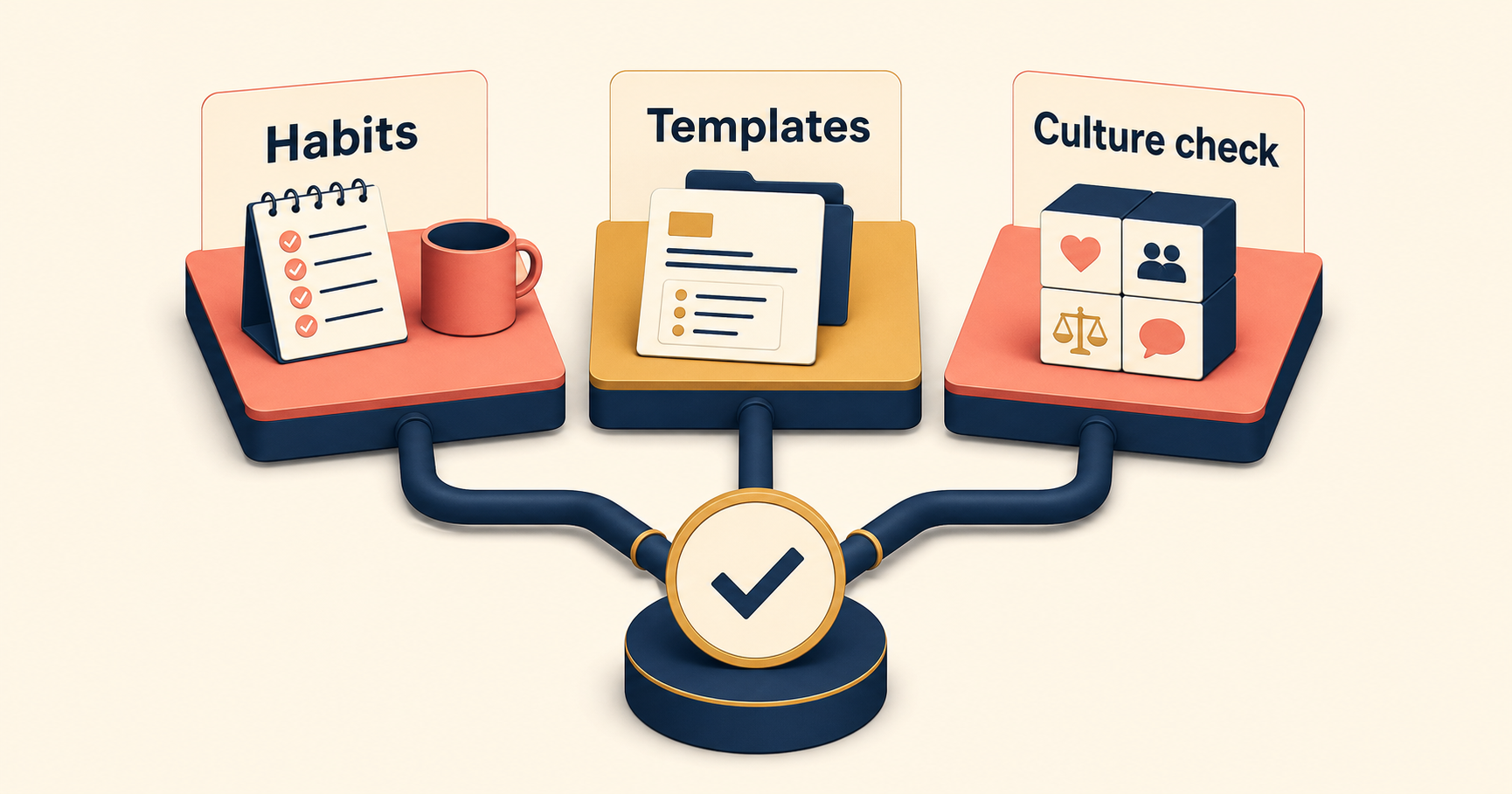
Decision-Driven Productivity in Practice: Personal Habits, Templates, and Culture Checklists
Turn decision-driven productivity into daily practice with personal habits, a decision canvas template, and a culture audit checklist your team can use this week.
-

7 Core Principles of Decision-Driven Team Productivity
Learn how to improve team productivity through decisions, not effort. 7 principles that turn busy product teams into ones that consistently ship real impact.
-
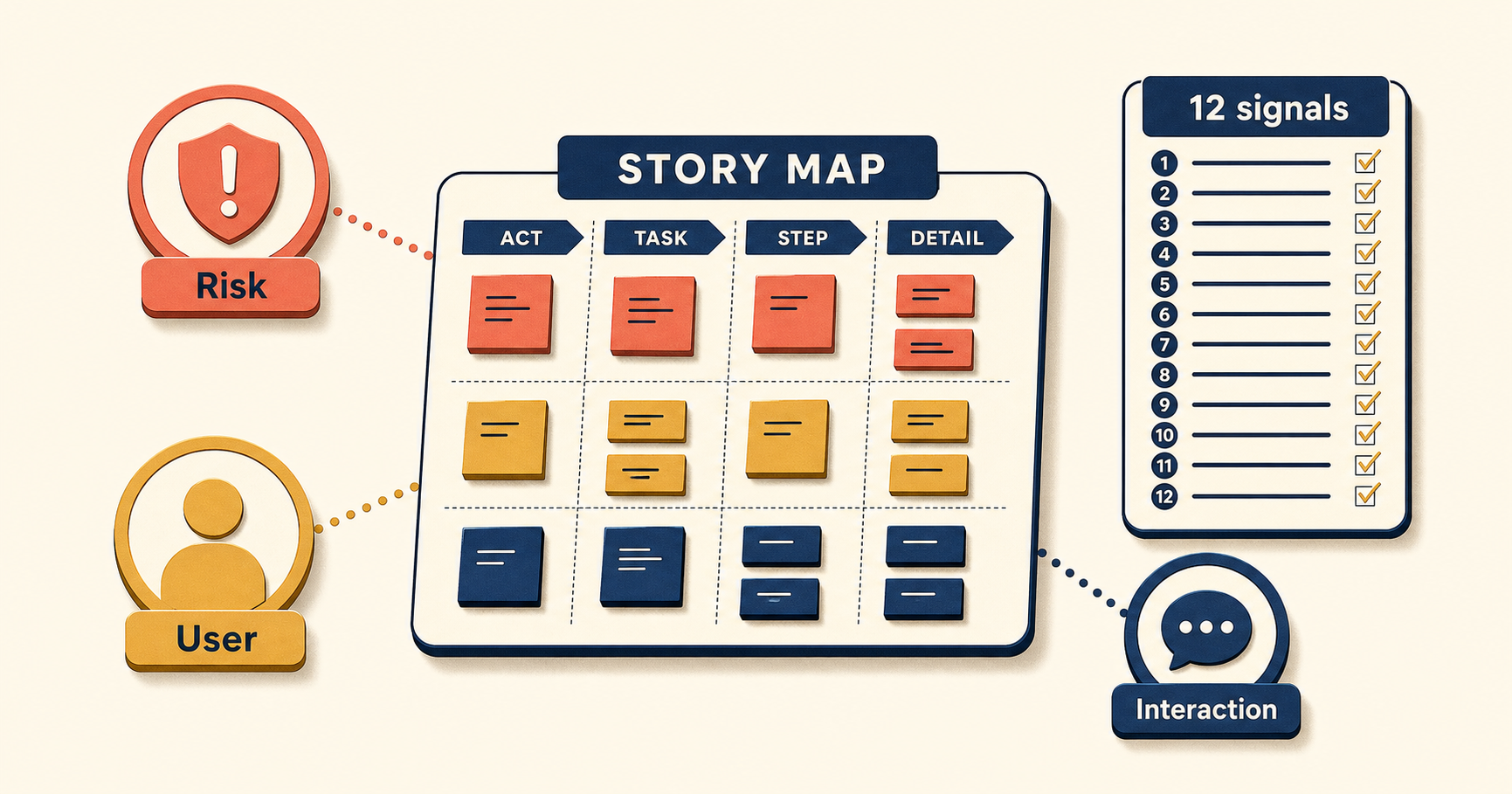
User Story Mapping Checklist: The Team Roles and 12 Signals of a Map That Actually Works
Use this user story mapping checklist to diagnose your team’s map. 3 essential roles and 12 signals reveal whether your story map is actually working.
-
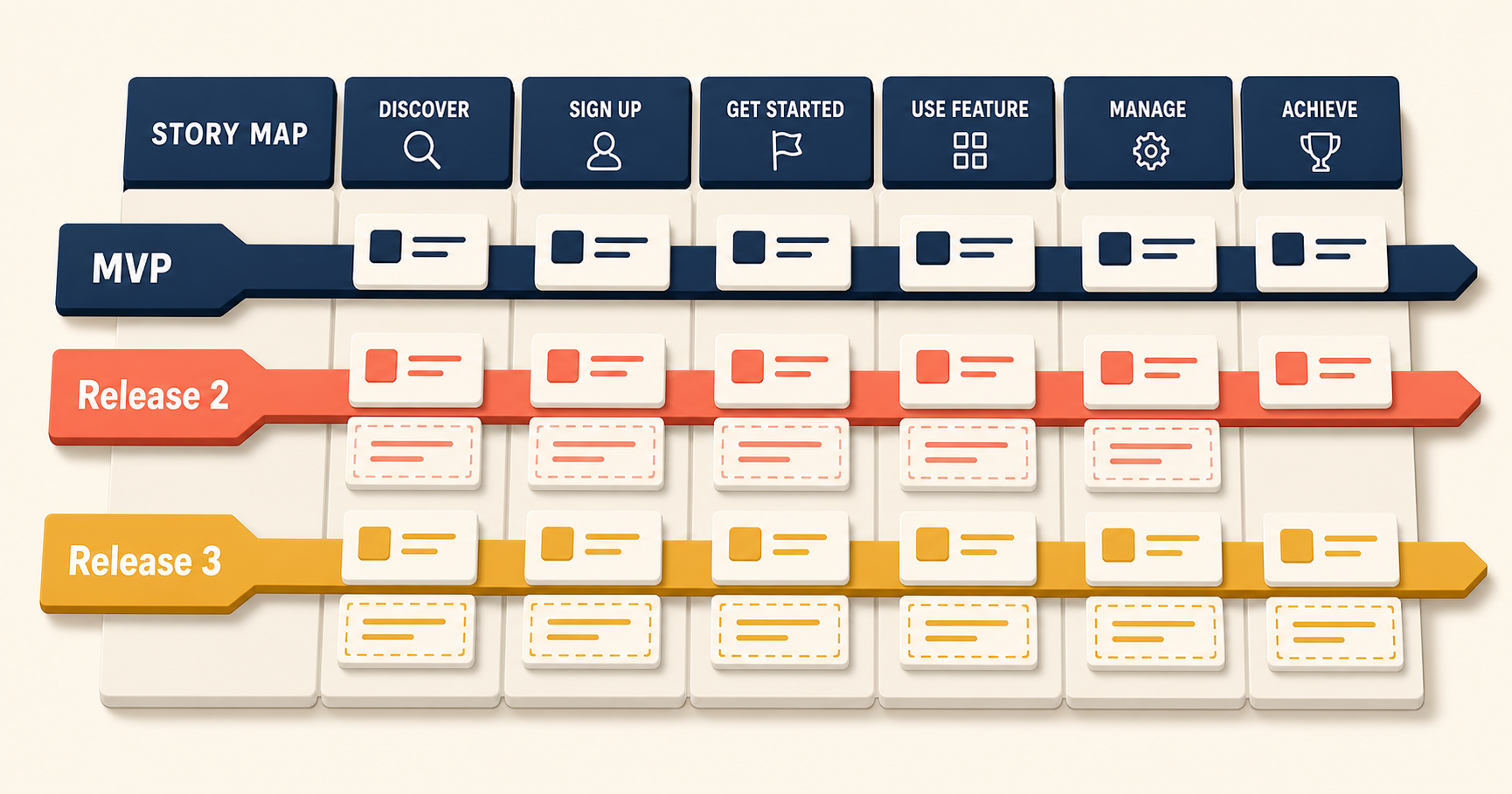
How to Use Story Mapping for Product Planning: MVP, Scope, and Release Strategy
Use story mapping to set the MVP, scope releases by user journey, and decide what not to build. Five applications PMs can run on a finished story map.
-

User Story Mapping: A 6-Step Practical Guide to Building a Story Map
Learn user story mapping in 6 practical steps: externalize ideas, frame outcomes, unfold the story, sharpen focus, surface risks, and keep the map alive.
-
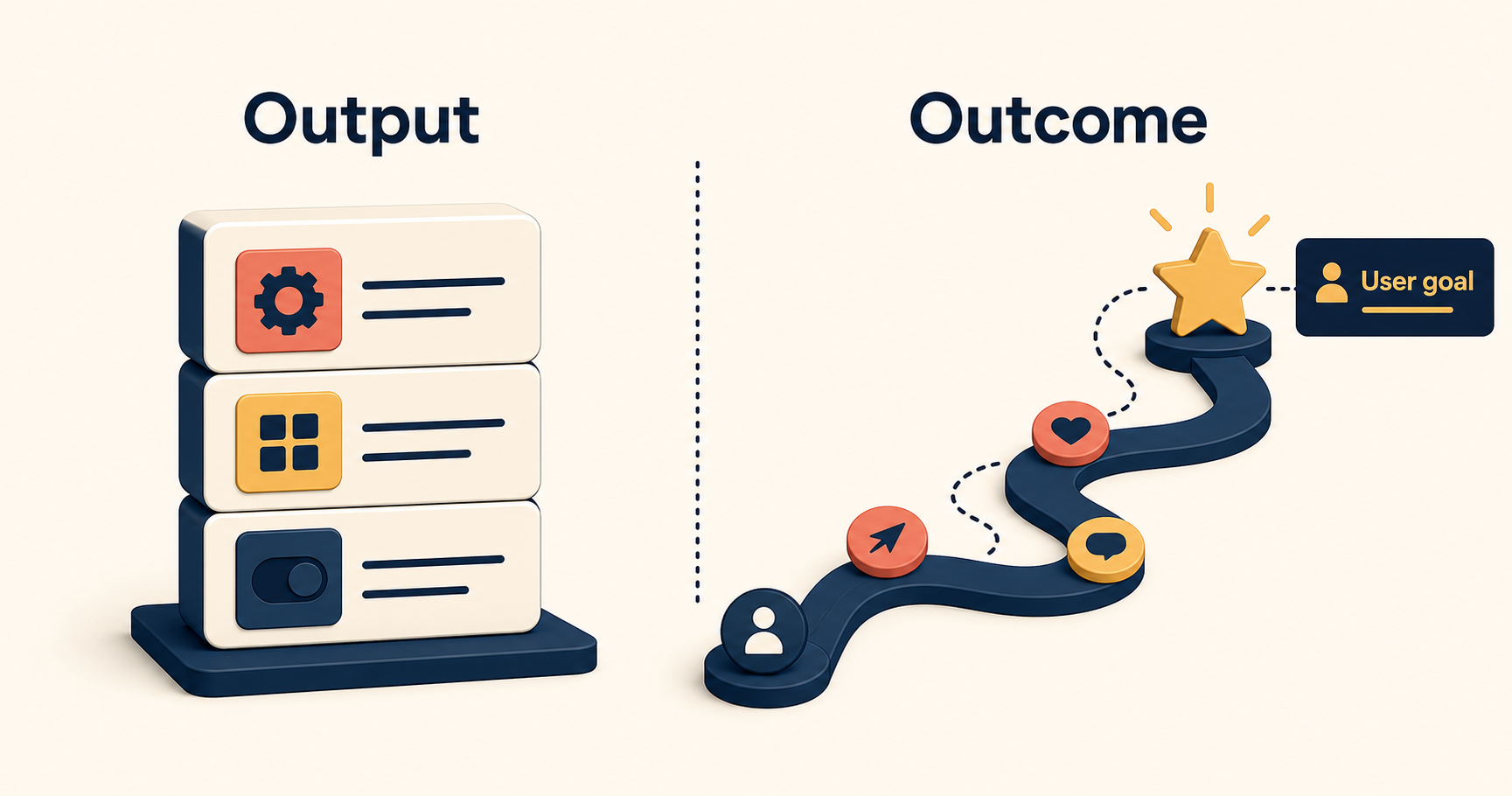
Requirements vs User Stories: How Story Mapping Shifts Teams From Outputs to Outcomes
Why ‘requirements’ language kills agile conversations, and how user story mapping shifts teams from shipping outputs to creating real user outcomes.
-
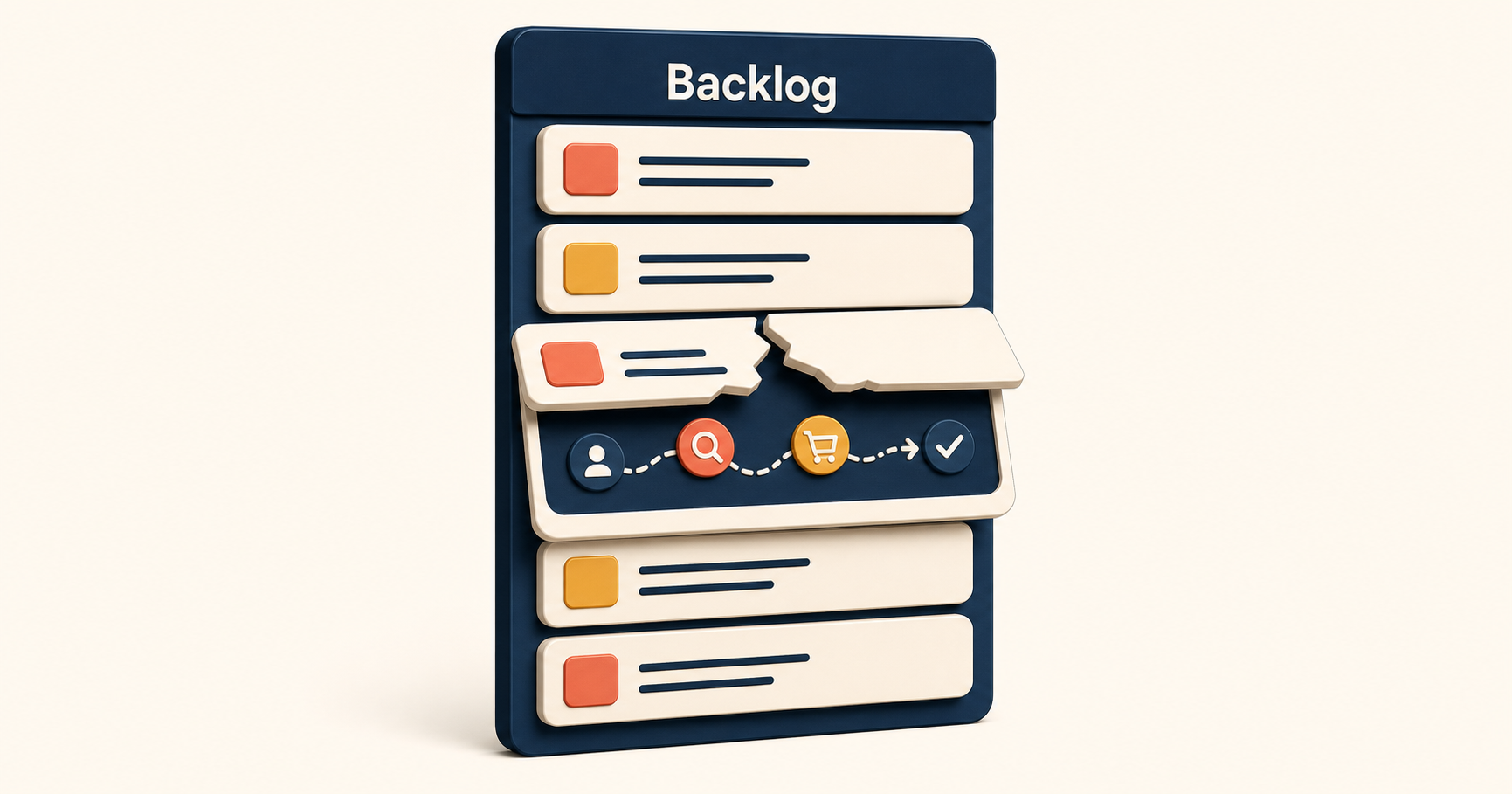
Why Agile User Stories Fail: From Tickets to Shared Understanding
Agile user stories often turn into tickets, not conversations. Learn the five warning signs your team is misusing user stories and how to fix it.
-

Waterfall vs Agile: A PM’s Guide to Choosing the Right Framework
Waterfall vs Agile explained for PMs. Compare the two frameworks, see where Scrum and Kanban fit, and learn how to choose the one that reduces real risk.
-

The Complete Lean Analytics Checklist: Diagnose Your Stage from Empathy to Scale
Use this complete lean analytics checklist to diagnose which of the five stages — empathy, stickiness, virality, revenue, or scale — your team is stuck in.
-

Lean Analytics Stage 5: Scale — How to Know If Your Business Can Survive Market Pressure
Learn how the Lean Analytics scale stage tests market viability. Discover repeatability, payback period, standardization, and disciplined experimentation.