Category: Product Management
Explore product management frameworks, strategy, prioritization, roadmaps, discovery, and execution insights for PMs.
-
Customer Interviews: The Real Purpose and 4 Warning Signs You’re Doing It Wrong
Learn the real purpose of a customer interview and 4 warning signs you are running a bad one. Stop collecting praise and start uncovering real behavior.
-
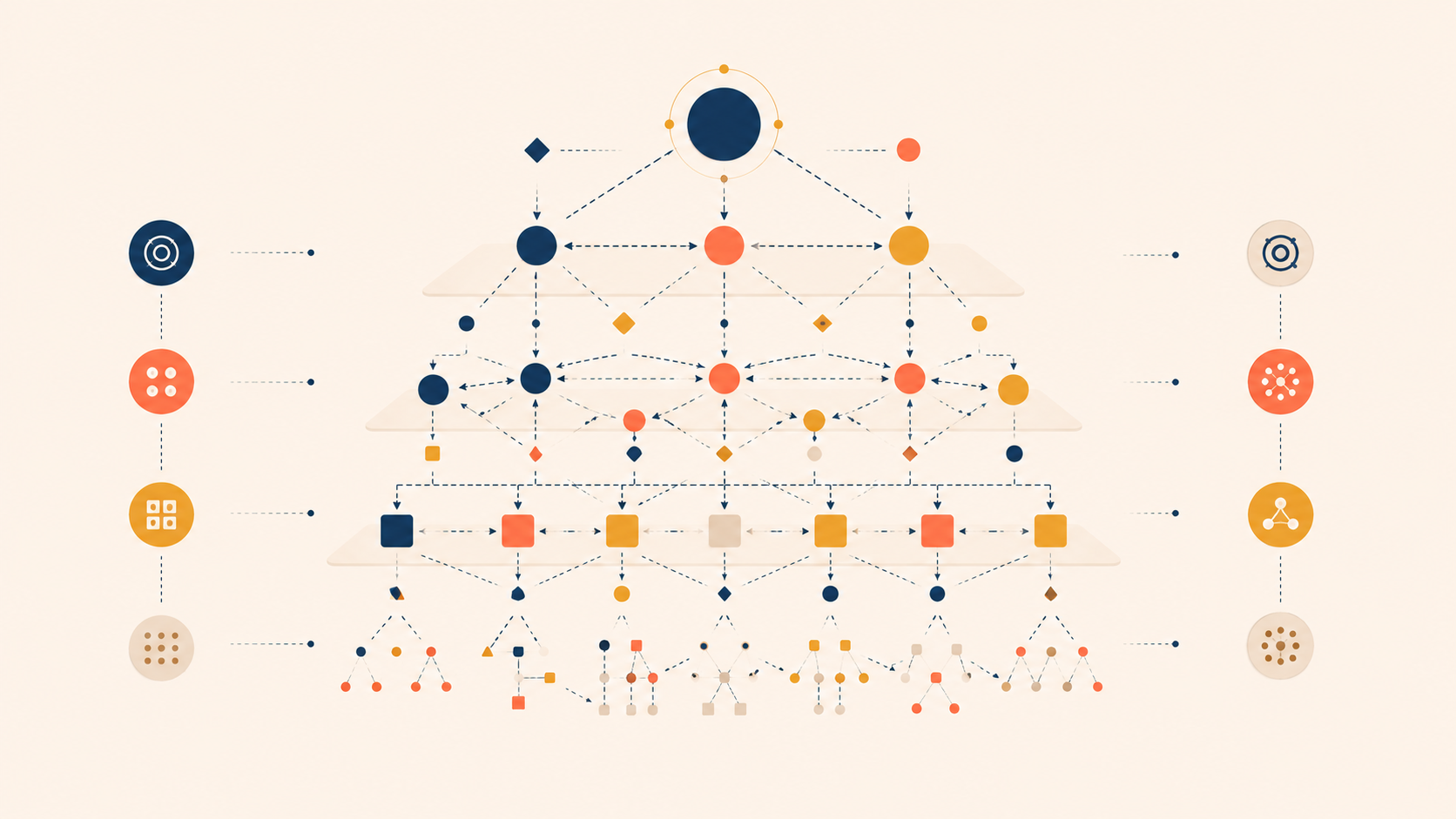
Concept Map: How to Structure Complex UX Problems
Learn how a concept map structures complex UX problems, how it differs from a mind map, and how to build one step by step with an example.
-
UX Writing Mistakes to Avoid: 5 Patterns and Before/After Examples
5 common UX writing mistakes with examples: emotional filler, vague buzzwords, over-politeness, bad error messages, and empty announcements.
-
Microcopy in UX Writing: Buttons, Errors, Empty States, and More
Learn how to write microcopy for buttons, errors, empty states, onboarding, notifications, forms, and confirmations with concrete examples.
-
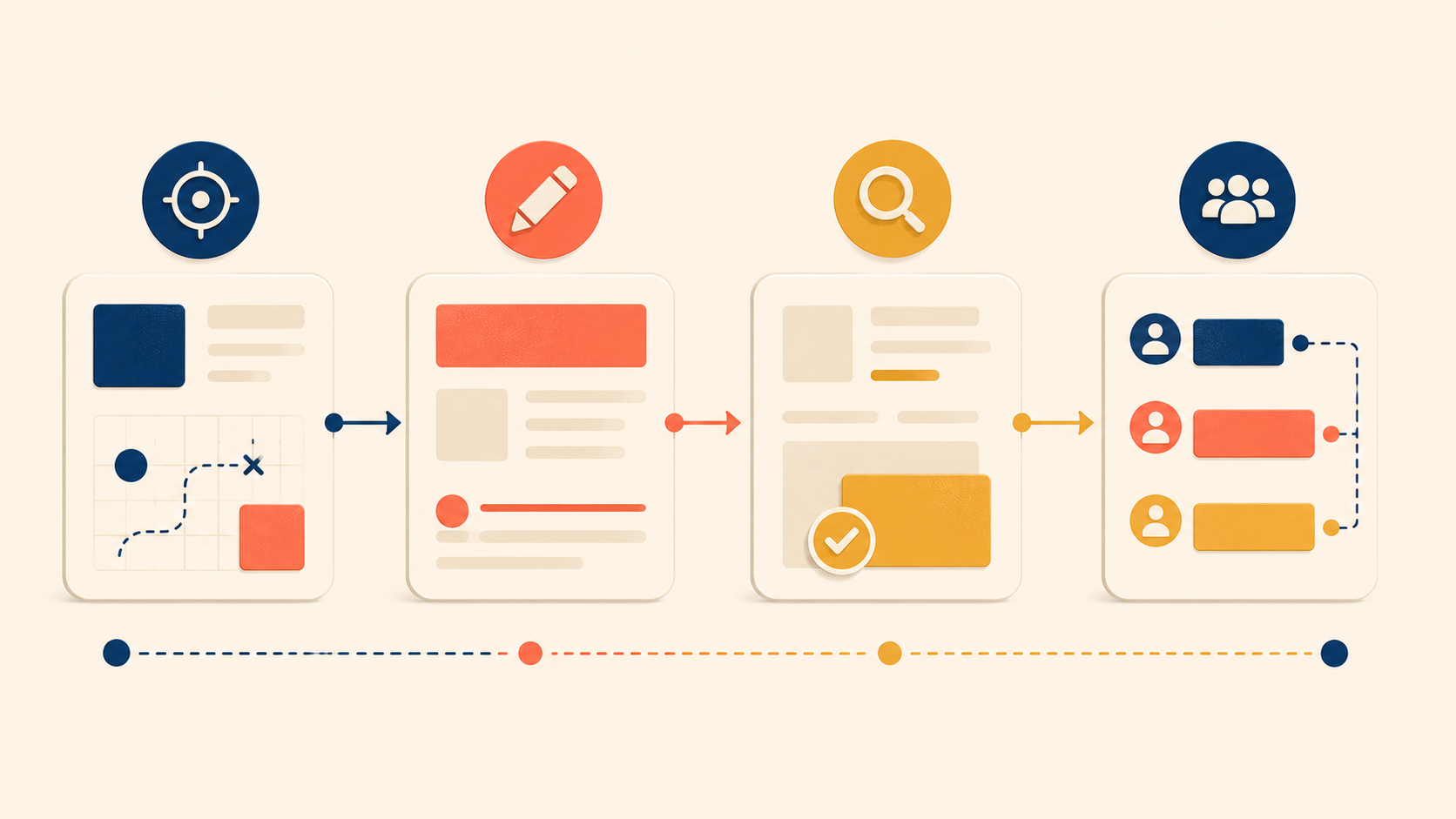
The UX Writing Process: A Step-by-Step Workflow for Writing UX Copy
Learn the four-phase UX writing process — before, during, after writing, and collaboration — with a checklist.
-
Voice and Tone in UX Writing: A Practical Framework with Examples
Learn voice and tone in UX writing, the four dimensions of tone of voice, a situational tone matrix, and how to document them.
-
What Is UX Writing? Definition, Reading Behavior, and Core Principles
Learn what UX writing is, how users actually read, and the 5 core principles separateing clear interrace copy from copy that gets in the way.
-
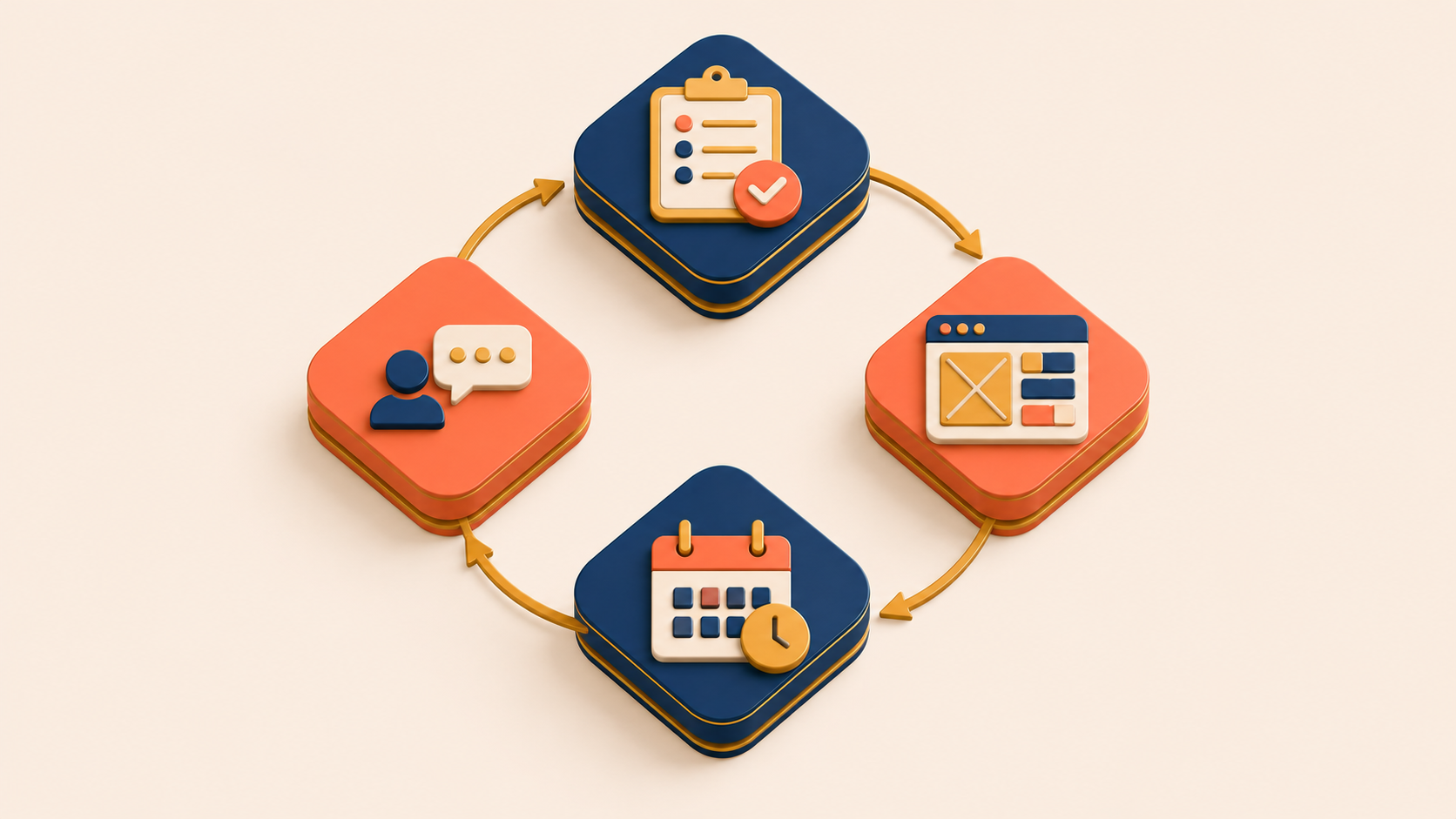
Product Manager Responsibilities in the Design Phase: A 4-Step Guide
Learn the 4 PM’s responsibilities in the design phase: schedule planning, design execution, usability research, and schedule management
-
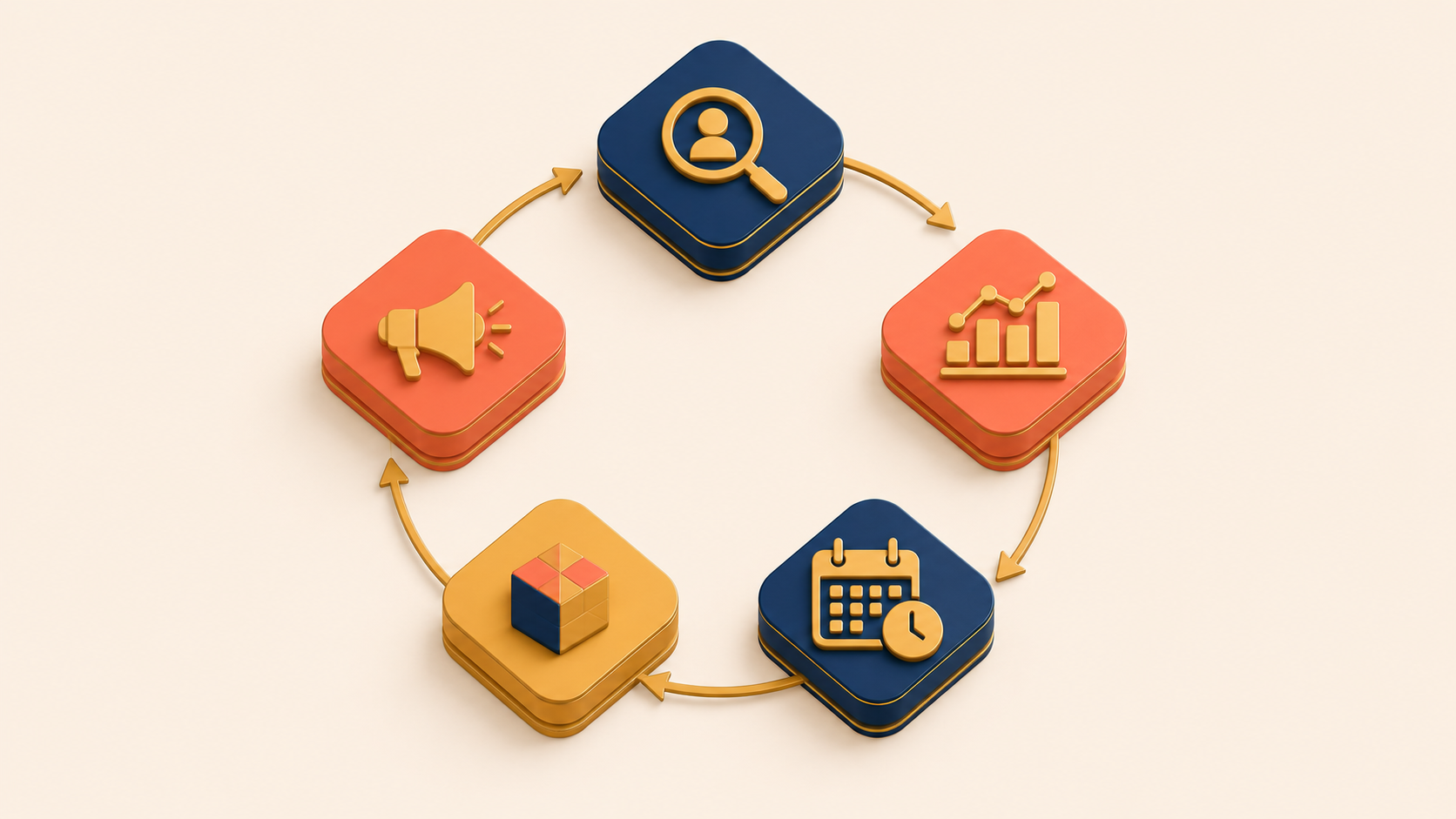
Product Manager Responsibilities in the Planning Phase: A 5-Step Guide
Learn the 5 PM responsibilities in the planning phase: user research, data analysis, plannings of schedule, product, and marketing.
-
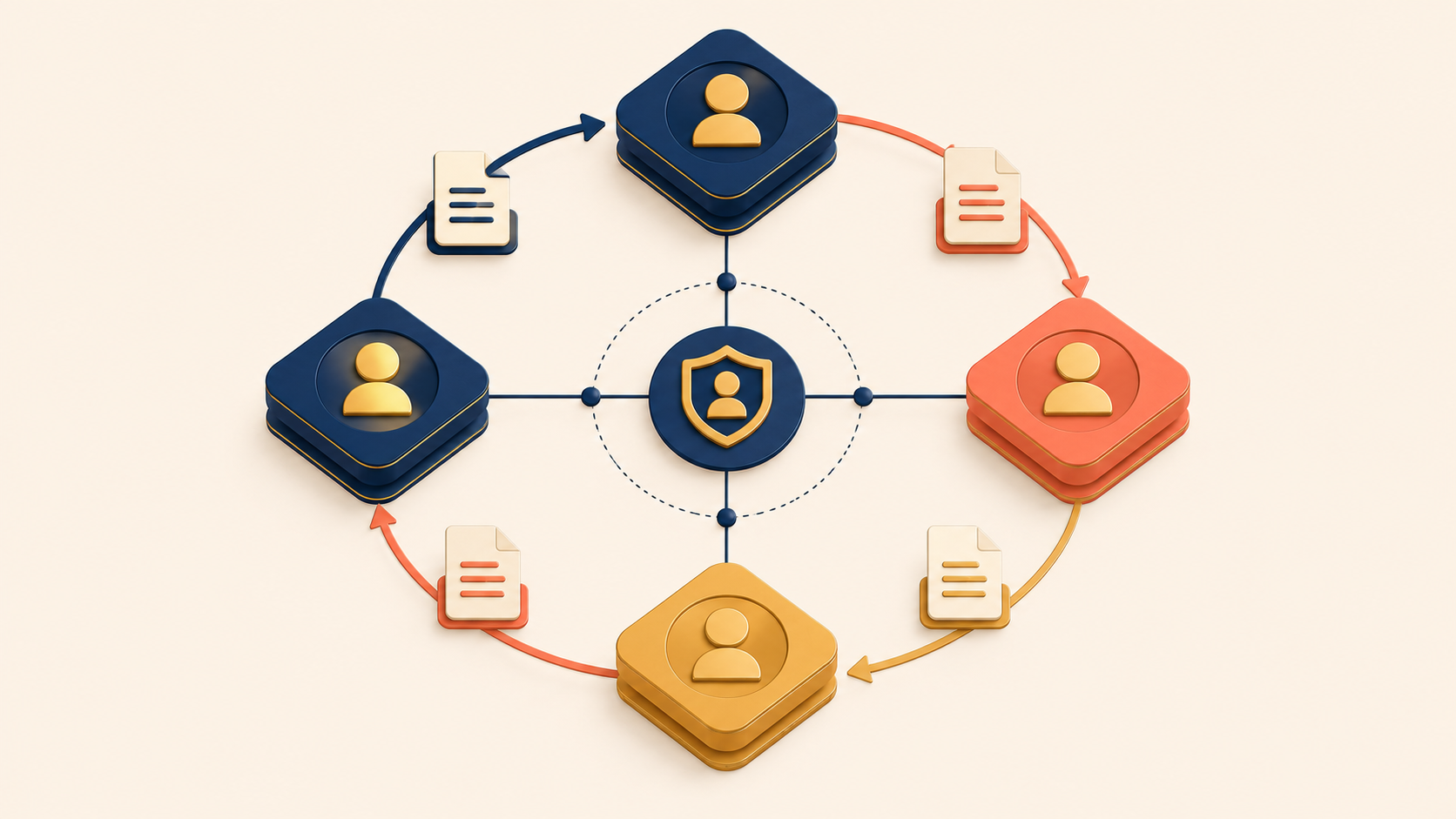
How PMs Build Team Trust and Effective Collaboration
Learn how PMs build team trust through documentation, visualization, and constructive problem-raising in cross-functional collaborations.