Tag: UX Research
-
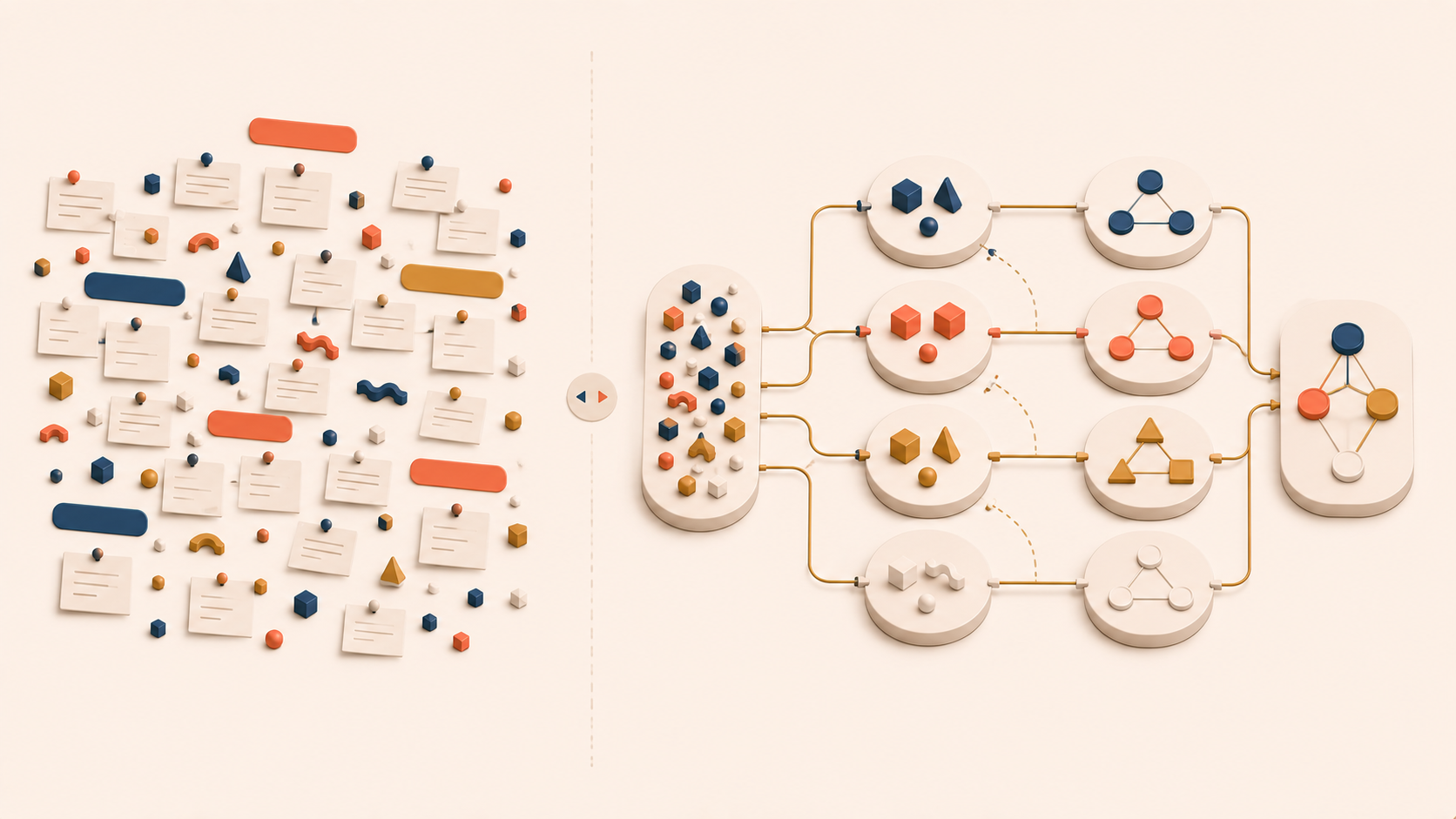
The Elito Method: A UX Research Synthesis Framework for Turning Insights into Decision
Learn how the Elito method turns UX research observations into design decisions through five layers: observation, judgment, value, concept, and metaphor.
-
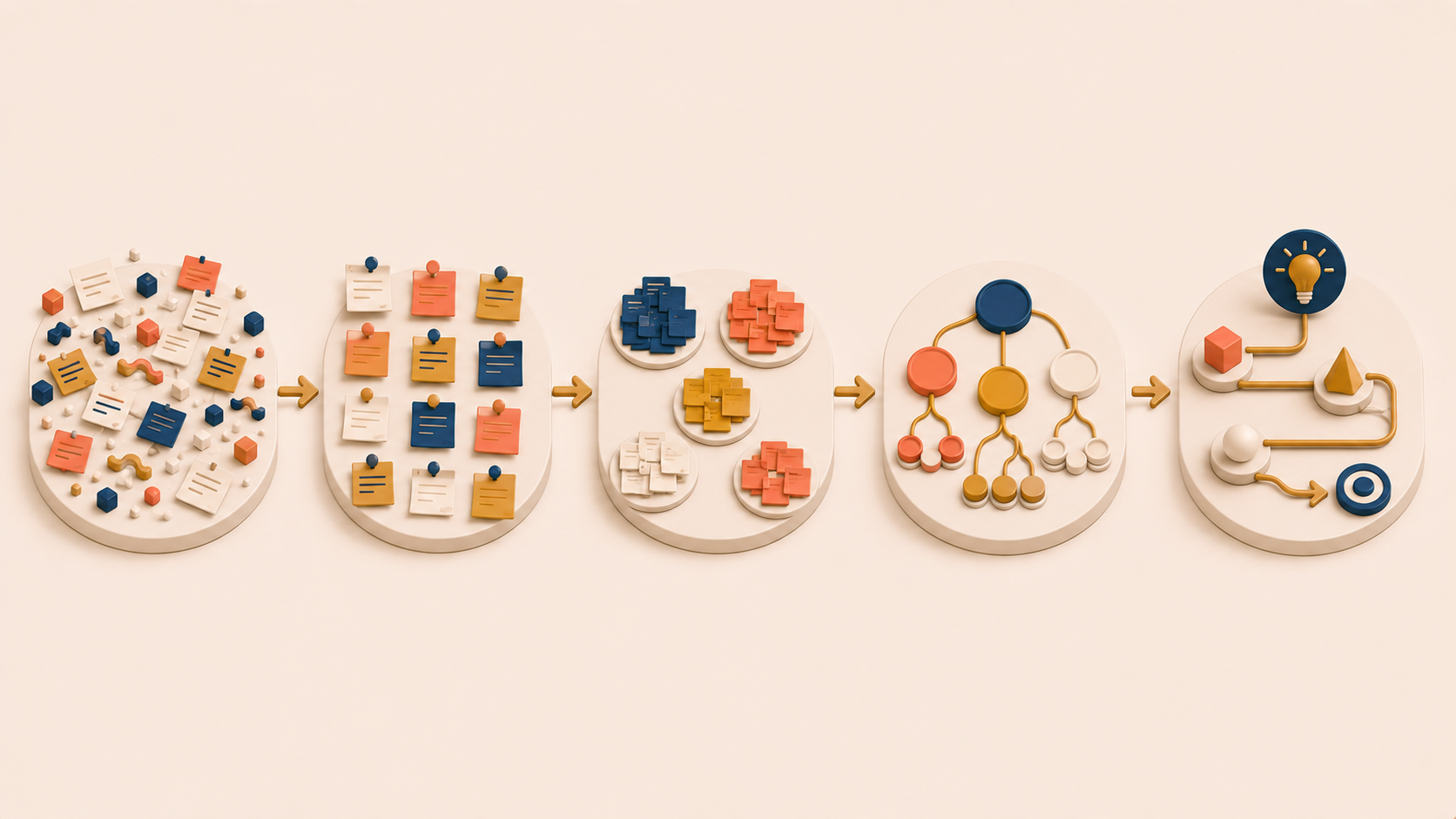
How to Create an Affinity Diagram: 5 Components and Quality Checks
Learn how to create an affinity diagram with 5 components: raw data, externalization, clustering, themes, and insights — plus quality checks that work.
-
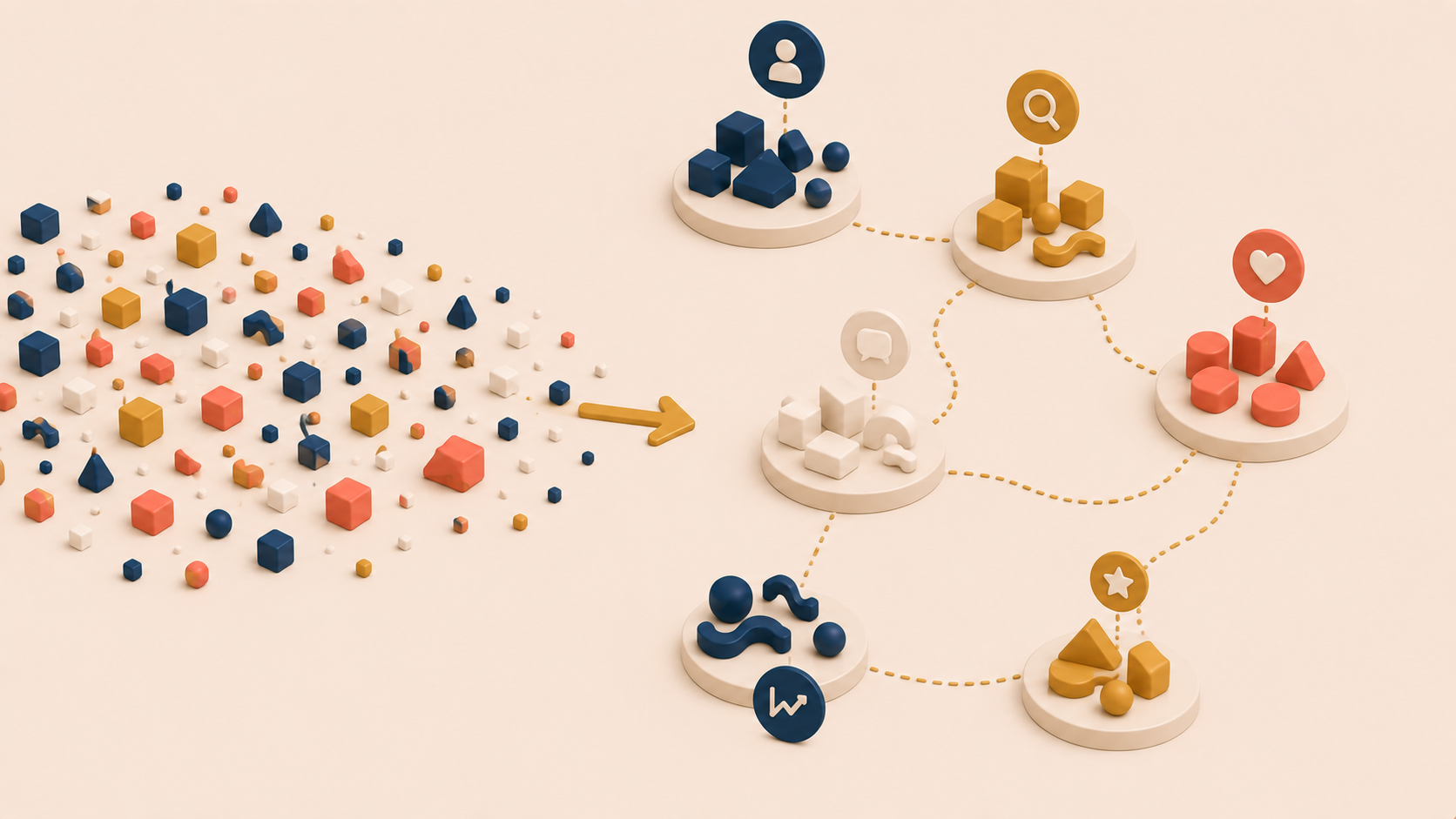
What Is an Affinity Diagram? A Complete Guide to UX Research Synthesis
Learn what an affinity diagram is, when to use it, and how its five components turn qualitative research data into shared insight your team can act on.
-

What Is Contextual Inquiry? Definition and 4 Core Principles
Learn what contextual inquiry is, its 4 core principles (Context, Partnership, Interpretation, Focus), and how to separate observation from interpretation.
-

Context of Use: Why User Research Without Context Fails
Learn what context of use means in user research, why asking users directly fails, and the four components (Users, Tasks, Equipment, Environment) that define real product use.
-

The Mom Test: 3 Rules for Asking Better Customer Interview Questions
Learn the 3 Mom Test rules for better customer interview: focus on the customer’s life, ask about past events, and use silence deliberately.
-
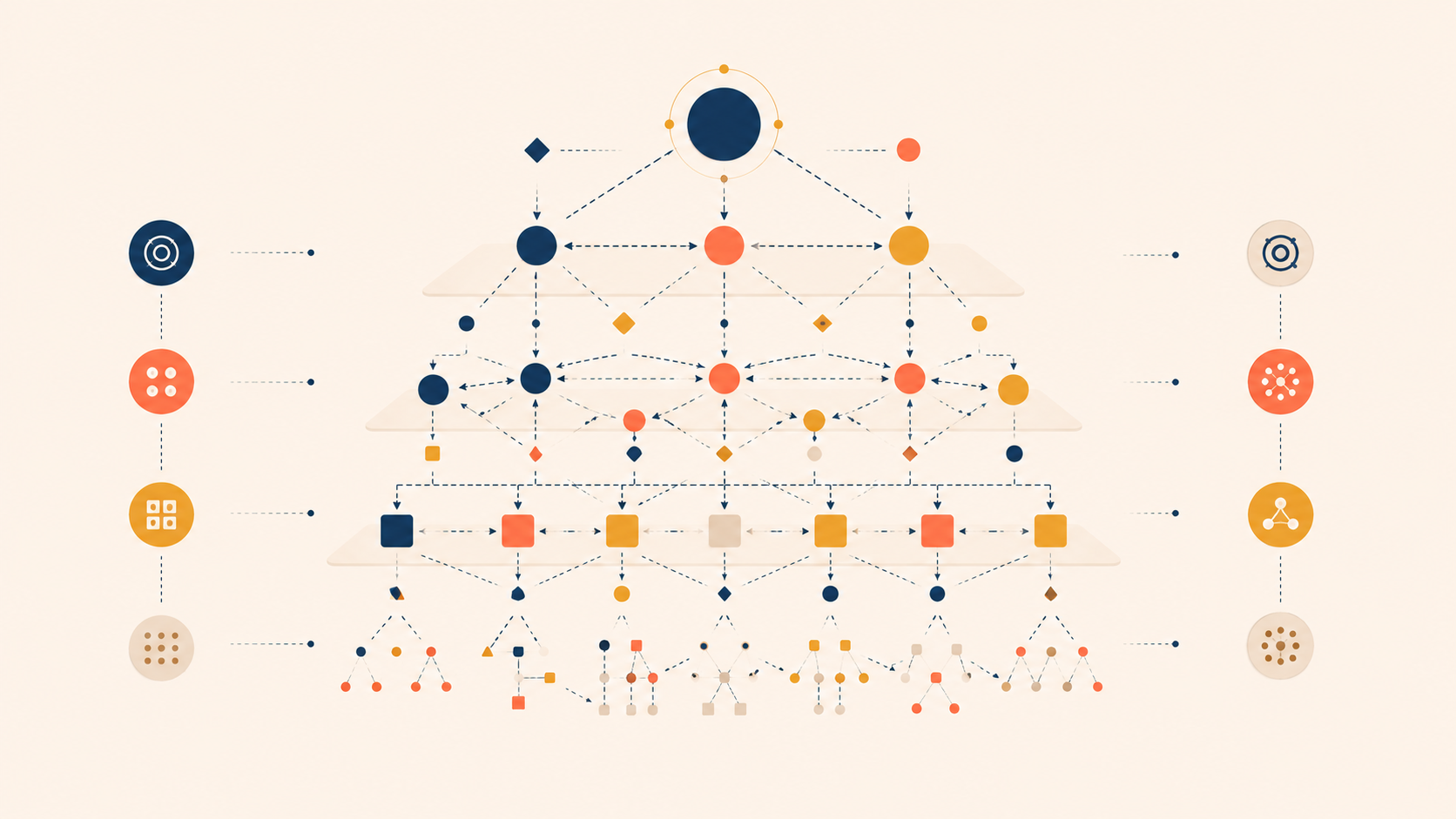
Concept Map: How to Structure Complex UX Problems
Learn how a concept map structures complex UX problems, how it differs from a mind map, and how to build one step by step with an example.
-

How Might We (HMW) Questions: A Product Team’s Complete Guide
User research often produces strong insights that never turn into anything. Teams finish weeks of interviews, fill a wall with sticky notes, and still walk into the next planning meeting with a list of features instead of a list of problems. The gap is rarely a shortage of data. The gap is the absence of…
-

What Is an Affinity Diagram? A Complete Guide to UX Research Synthesis
An affinity diagram helps UX teams turn scattered qualitative research into shared understanding by clustering observations into meaningful patterns and actionable insights.
-

Concept Map: How to Structure Complex UX Problems
A concept map helps UX and product teams structure complex problems, connect research insights, and build shared understanding before jumping into solutions.