Category: Product Delivery
Learn agile delivery, execution strategy, team operations, sprint workflows, and scalable product development practices.
-

DevOps Culture: How Organizational Culture Shapes Product Deployment
Learn why DevOps is fundamentally cultural. Explore how culture, information flow, and psychological safety shape deployment outcomes.
-

What is Growth Hacking? Definition and Why Product-Market Fit Comes First
Learn what growth hacking really is, why product-market fit must come before any growth strategy, and how to measure PMF.
-
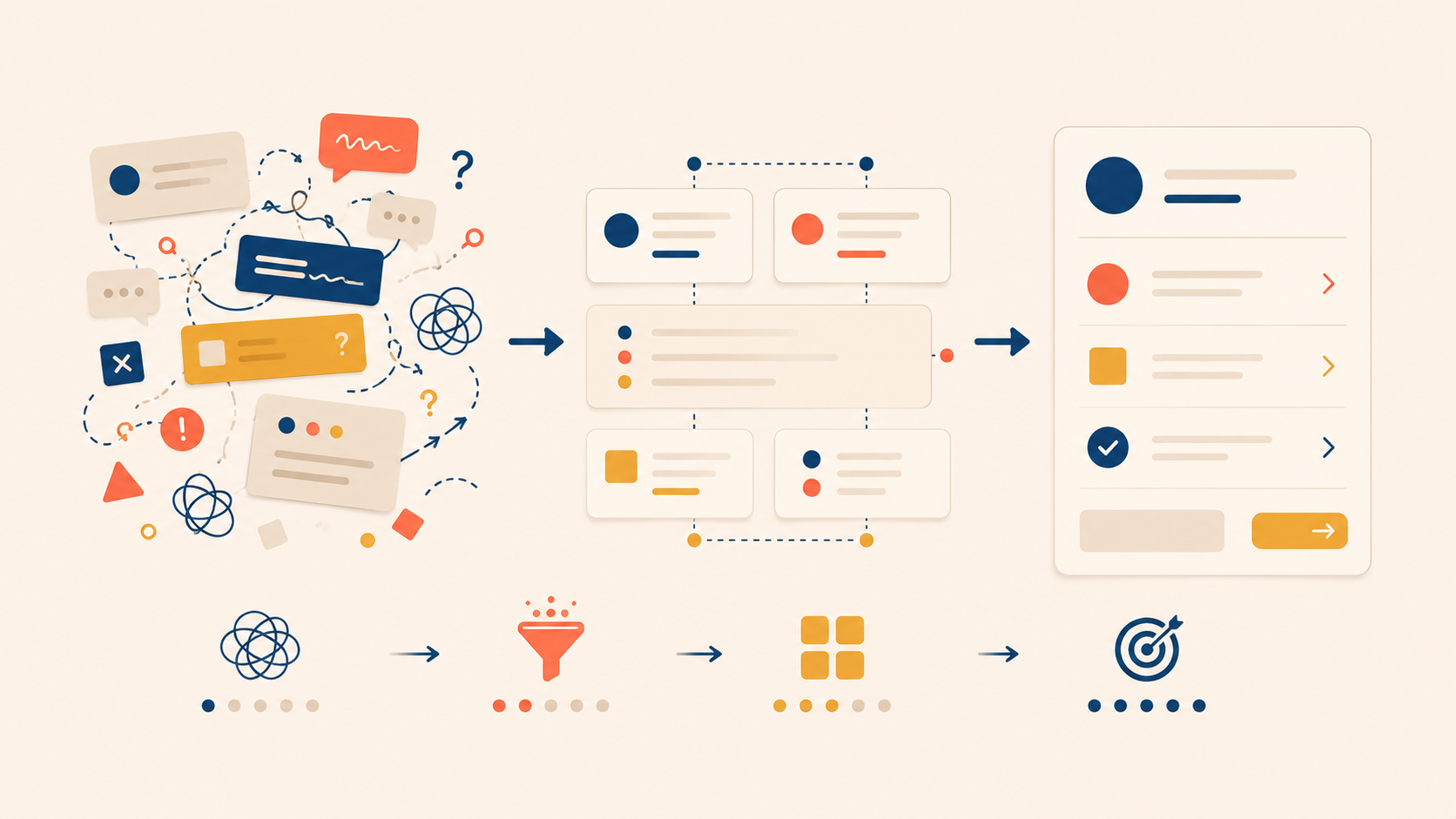
UX Writing Mistakes to Avoid: 5 Patterns and Before/After Examples
5 common UX writing mistakes with examples: emotional filler, vague buzzwords, over-politeness, bad error messages, and empty announcements.
-
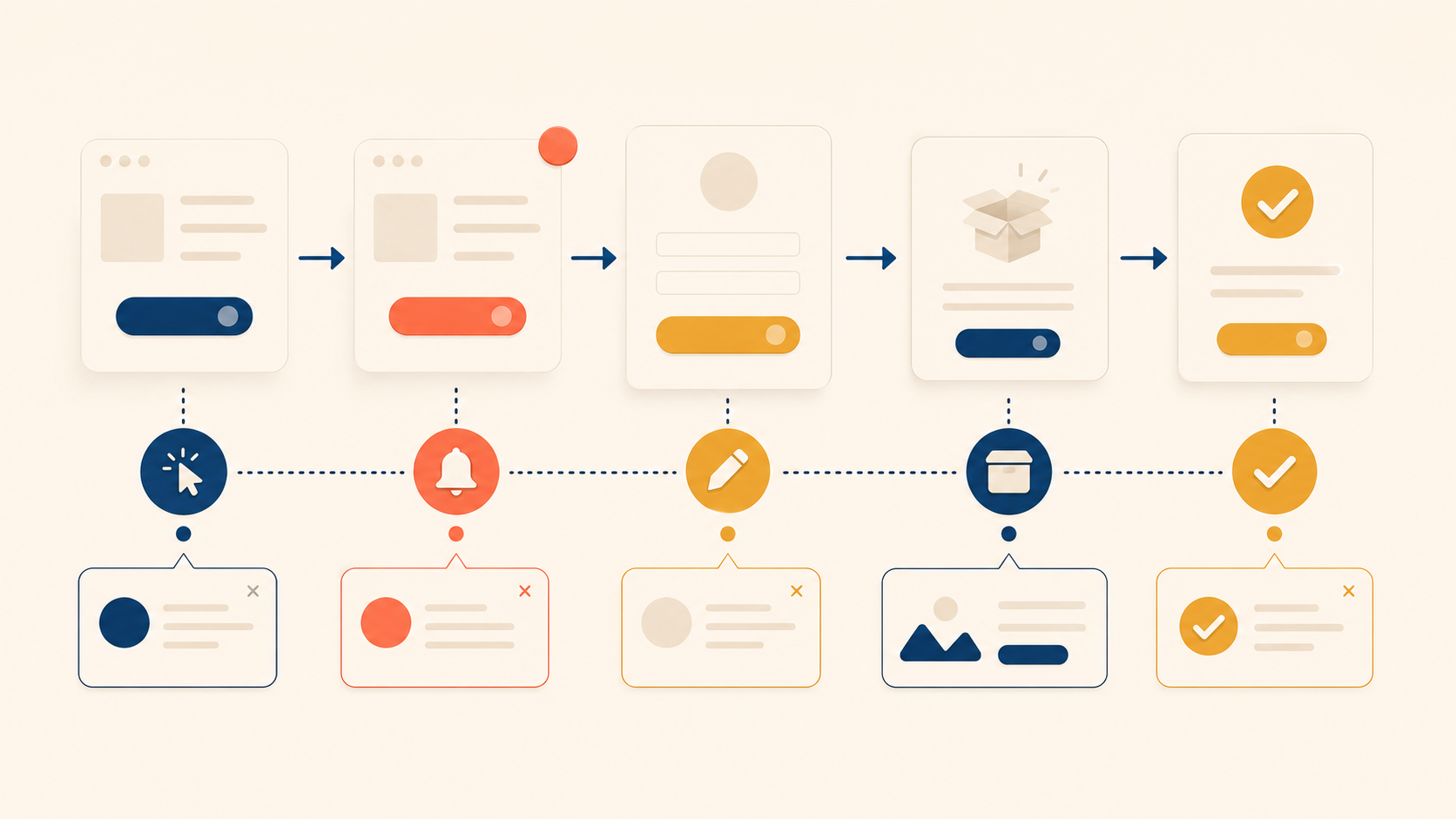
Microcopy in UX Writing: Buttons, Errors, Empty States, and More
Learn how to write microcopy for buttons, errors, empty states, onboarding, notifications, forms, and confirmations with concrete examples.
-
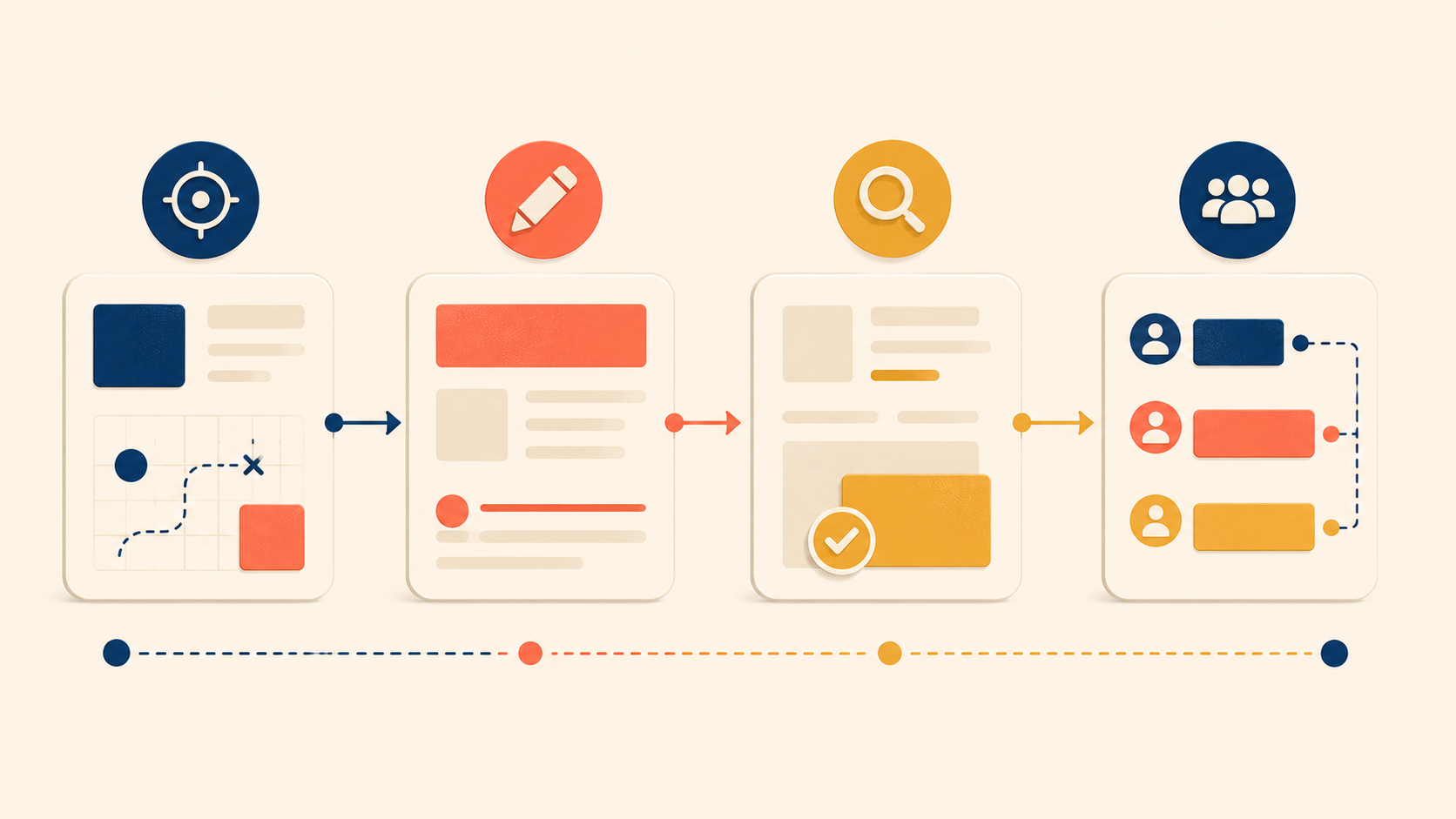
The UX Writing Process: A Step-by-Step Workflow for Writing UX Copy
Learn the four-phase UX writing process — before, during, after writing, and collaboration — with a checklist.
-
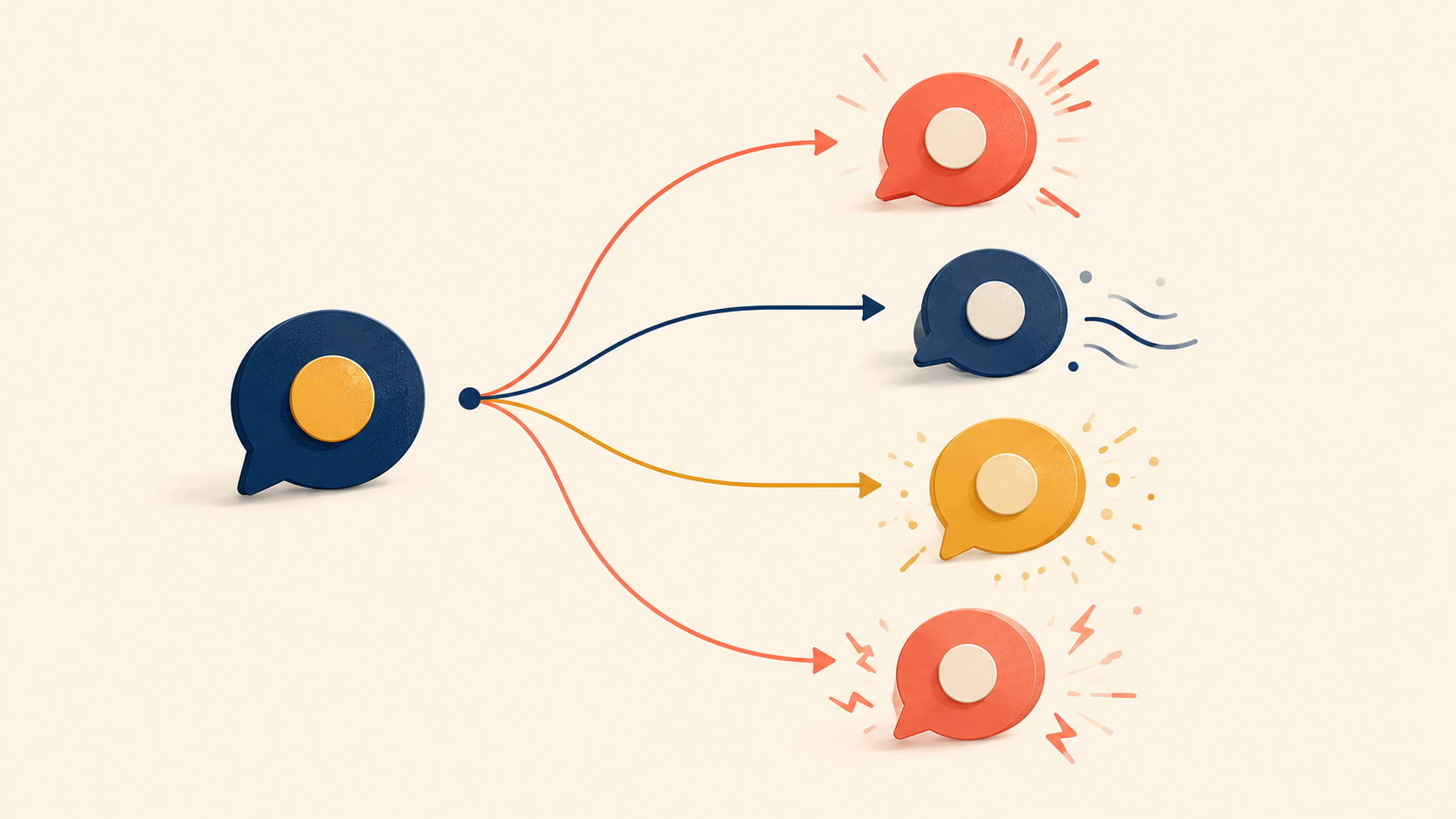
Voice and Tone in UX Writing: A Practical Framework with Examples
Learn voice and tone in UX writing, the four dimensions of tone of voice, a situational tone matrix, and how to document them.
-
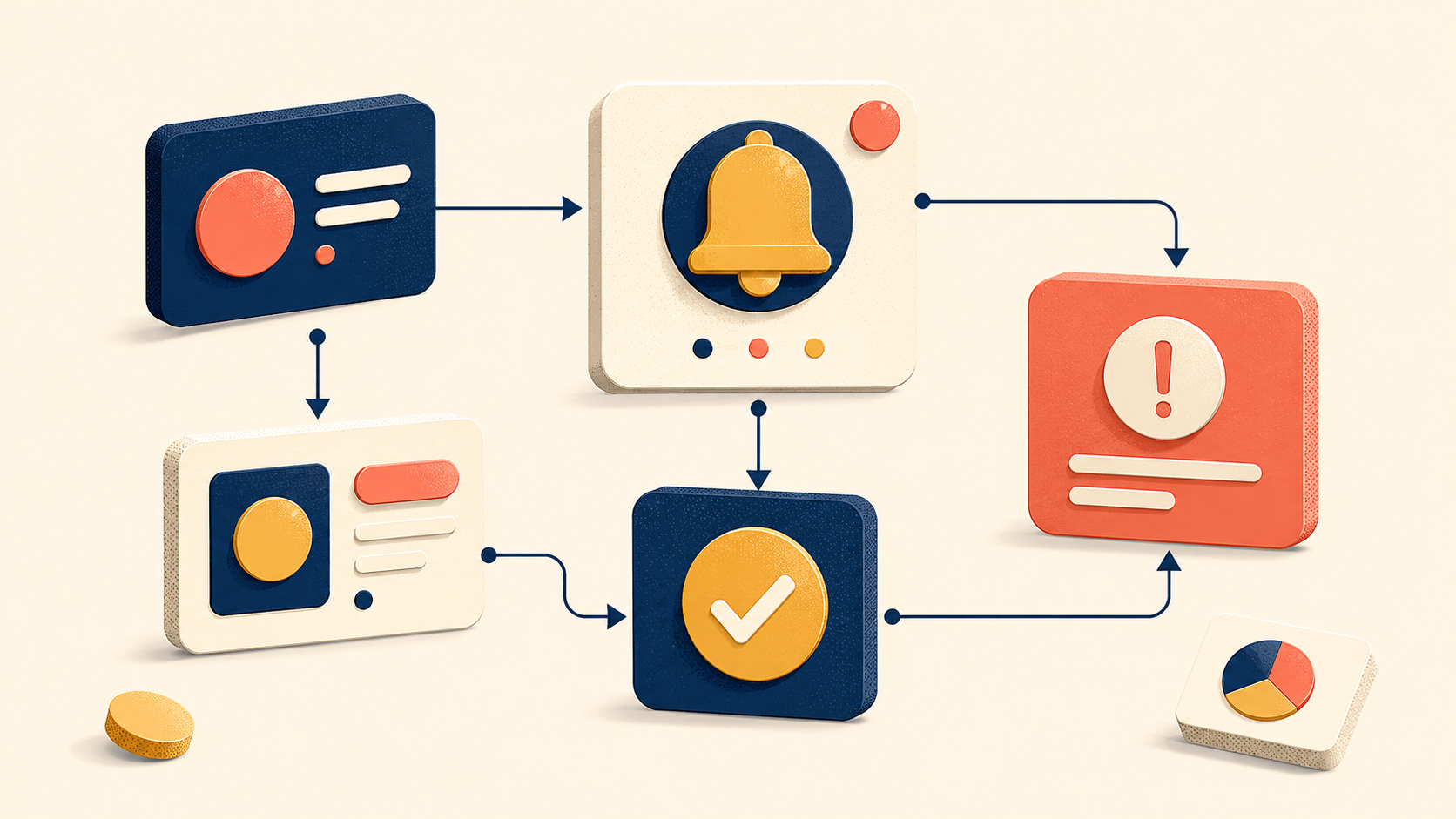
What Is UX Writing? Definition, Reading Behavior, and Core Principles
Learn what UX writing is, how users actually read, and the 5 core principles separateing clear interrace copy from copy that gets in the way.
-

Product Manager Responsibilities in the Design Phase: A 4-Step Guide
Learn the 4 PM’s responsibilities in the design phase: schedule planning, design execution, usability research, and schedule management
-

The Product Manager’s Workflow During the Development Phase
Learn the workflow during the product development: schedule planning, frontend, backend, QA, and managing delays when reality diverges.
-

How Might We (HMW) Questions: A Product Team’s Complete Guide
User research often produces strong insights that never turn into anything. Teams finish weeks of interviews, fill a wall with sticky notes, and still walk into the next planning meeting with a list of features instead of a list of problems. The gap is rarely a shortage of data. The gap is the absence of…