
Product Management
Notes on product thinking, decision-making, and lessons learned while building products with real users and constraints.
To see posts from a specific category, click the category button above.
-

The customer intervew conversation was friendly. The person nodded along. They said your idea sounded “useful” and even suggested a feature or two. Weeks later, nothing happens. This gap between positive feedback and real-world action is where many product teams get misled. What usually went wrong is not execution speed or product quality. It is
-

Product teams often carry quiet assumptions: “Users will think like us.”“This is basic, everyone knows this.”“We can explain it if needed.” These assumptions feel reasonable because they are grounded in our own context. But user research repeatedly shows how fragile they are. Dan Russell, a long-time search UX researcher at Google, once shared an example
-

“We have tons of metrics, yet we still fail.” Imagine a product team proudly sharing its dashboard. On paper, everything looks healthy. In reality, the company is slowly bleeding. Infrastructure costs grow faster than revenue. Monetization experiments do not scale. And despite “great engagement,” the business never reaches sustainability. The uncomfortable truth is this: a
-

If you have a dashboard full of metrics but still struggle to decide what to do next, you are not alone. Most product teams don’t fail because they lack data or don’t understand individual metrics. They fail because their metrics are disconnected. As a result, teams report numbers instead of diagnosing problems. This post is
-

KJ Technique: A Better Alternative to Brainstorming for Turning Messy UX Inputs into Clear Decisions
Product teams run meetings every day, but decisions often feel slow, unclear, or political, especially when teams rely on unstructured discussions instead of methods like the KJ Technique. The KJ Technique is a simple but powerful way to turn messy opinions, data, and instincts into shared understanding and concrete action. This guide explains what it
-

Many teams do not go silent because they lack ideas. They go silent because speaking up feels risky, pointless, or simply not worth the effort. In meetings, this often shows up as long pauses, surface-level agreement, or conversations that stay safely within familiar territory. Leaders may see this as a motivation problem, but more often
-
A lot of product decision-making principles are missing from day-to-day product management. Product managers juggling hectic days, barely keeping up, focuses on what to do: write a roadmap, run discovery, align stakeholders, ship faster. This post is about something more foundational: Great product managers are not the ones who just do ‘more’ work. They are
-

If you ask ten people what product marketing is, you will likely hear answers of incidental work. Launch plans, release notes, sales decks, blog posts, and campaigns. None of these are wrong, but they are incomplete. This narrow framing is exactly why product marketing is often misunderstood. 1. Why Do We Need to Redefine Product
-
If you have ever searched for “Product Manager job description,” you probably noticed something strange. Different companies describe completely different roles using the same title. Some postings sound like a strategist. Others look like a project coordinator. Even inside the same company, PMs explain their jobs differently. I remember my early PM days clearly. I
-
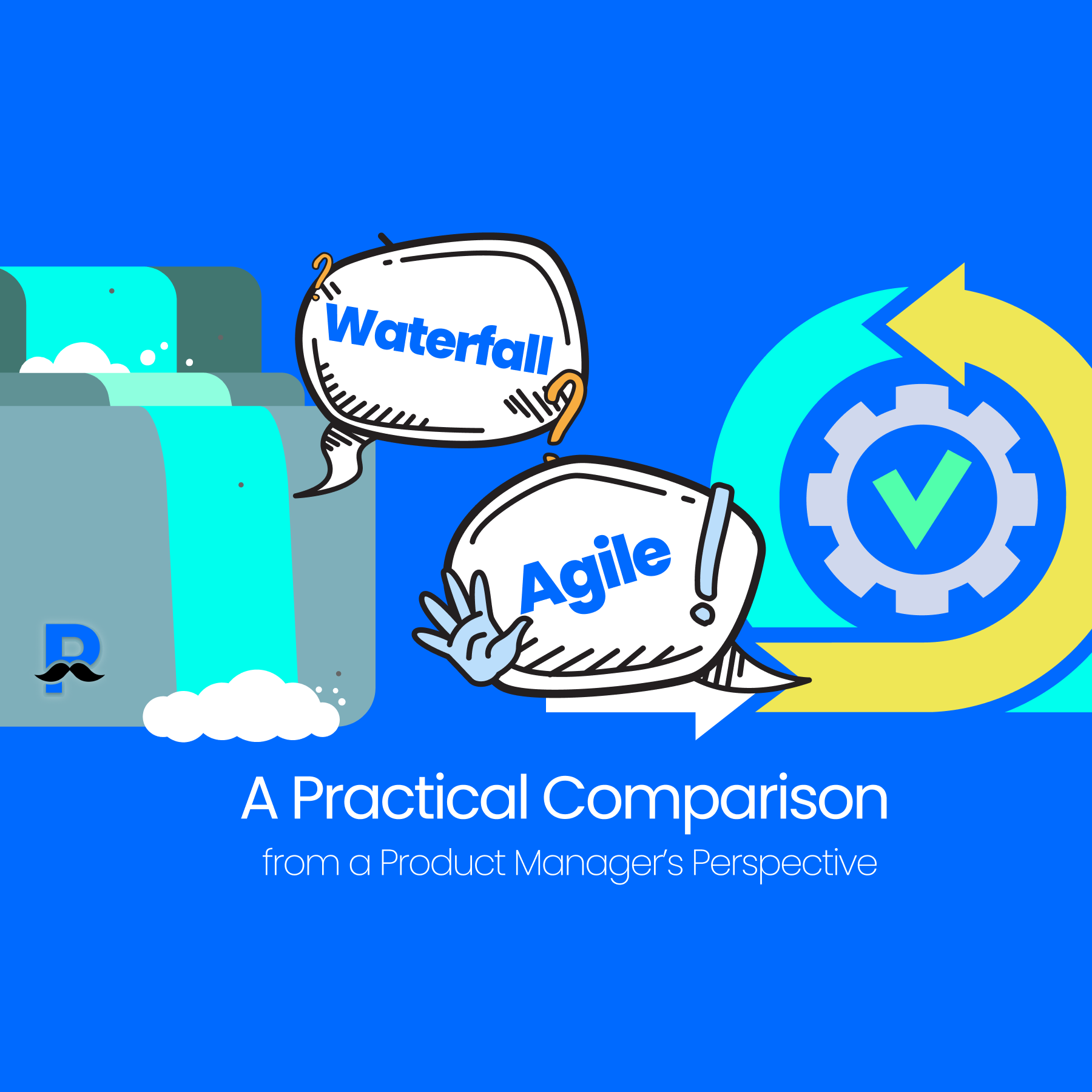
Waterfall vs Agile is one of the most common comparisons product managers face when deciding how to plan, build, and deliver products. “So… are we doing Waterfall or Agile?” If you’ve worked as a product manager, you’ve probably heard or thought this question more times than you can count. At first glance, this question sounds