
Product Management
Notes on product thinking, decision-making, and lessons learned while building products with real users and constraints.
To see posts from a specific category, click the category button above.
-
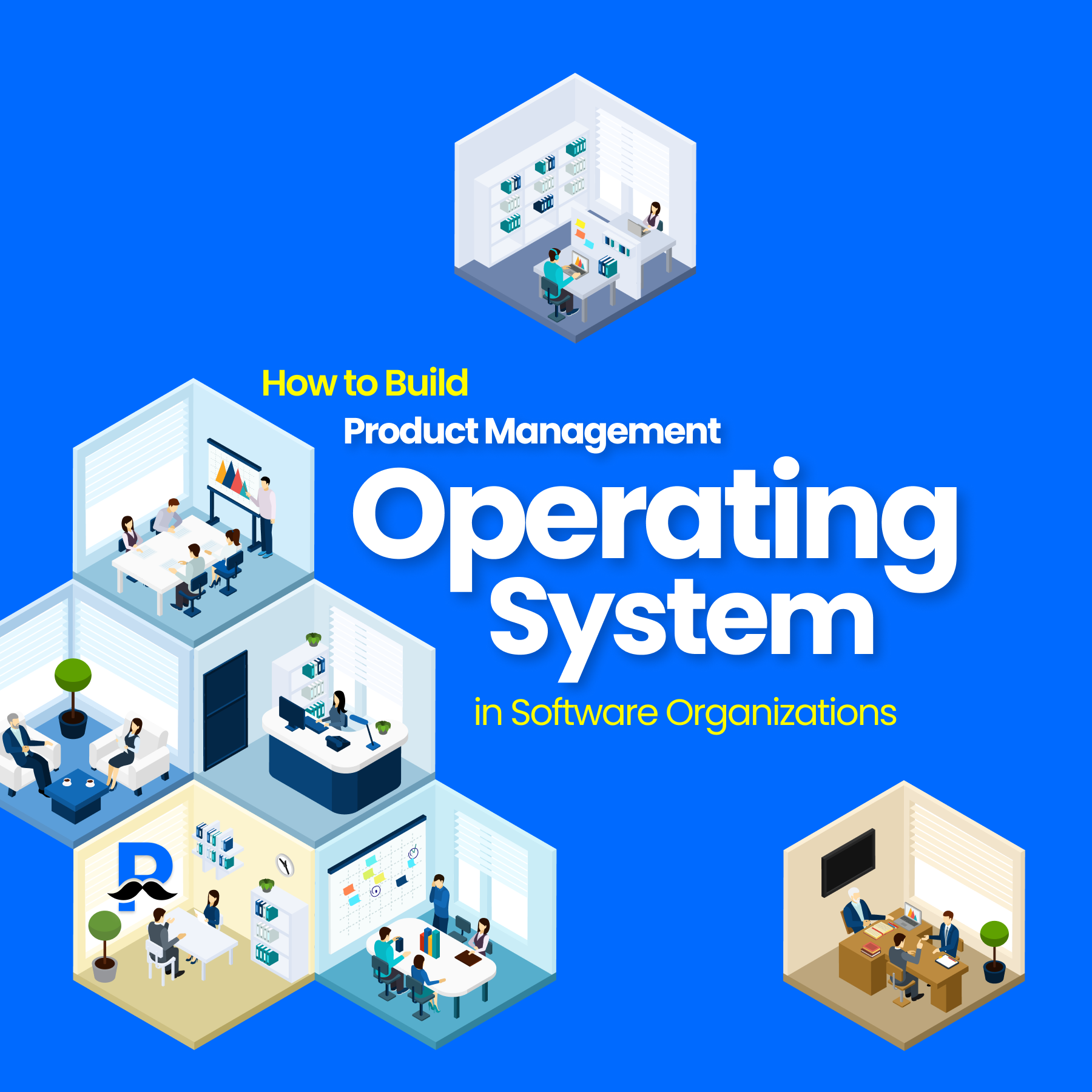
Building successful software products requires more than just a good idea. It demands a systematic product management approach to understanding customers, coordinating teams, and delivering value consistently. Whether you work at a startup or an established company, the principles of effective product management remain surprisingly universal. This guide explores the foundational mindsets, practical processes, and
-

If you’ve ever sat in a meeting where someone confidently declared, “Our strategy is to be the best in the market,” you’ve witnessed what is called the strategy illusion. It sounds good. It feels directional. But is it actually a strategy? Most organizations don’t actually have a strategy. They have aspirations, plans, or a collection
-

Product marketing sits at the intersection of product development and market success. While engineering teams focus on building features and design teams craft user experiences, product marketing ensures that what gets built actually resonates with customers and drives business outcomes. But what exactly does product marketing do, and why should you even care about it?
-
Most teams don’t struggle because they’re lazy. They struggle because they’re busy in ways that don’t move anything forward. You’ve probably seen a version of this: That pattern creates a quiet kind of burnout. Not the dramatic kind, but the slow, dull feeling of “I worked all day, and nothing really changed.” The tricky part
-
DevOps is not an “engineering-only” topic. Modern product work sits on top of software. Even if you never write code, your roadmap, experiments, and customer promises eventually turn into deployments, incidents, and operational tradeoffs. That is why DevOps matters for PMs: It is the system that determines whether your product can move fast and stay
-

If you have ever shipped a product that “worked” but felt strangely fragile, you have seen software complexity up close. Not the fun kind of complexity, like solving a hard algorithm. The painful kind: People often introduce DDD as an engineering practice. But for product managers, it is more useful to treat DDD as a
-

There’s a persistent myth that growth hacking is just another term for “going viral” or trying random tactics until something sticks. It’s neither. Consider what happens to many promising startups. They build something users genuinely love. Reviews are positive. Early adopters are enthusiastic. The product works beautifully. Then they run out of money. Because they
-

1. What Is Lean Analytics: Why It Starts with Stages, Not Ideas Most product teams don’t fail because they lack ideas. They fail because they try to answer the wrong question at the wrong time. Early on, the real challenge is not growth. It’s figuring out whether the problem is real at all. Later, the
-

If you’ve worked in agile teams for a while, you’ve probably seen user story mapping used in a very narrow way: This post is about a different idea: stories are primarily a tool for conversation and shared understanding, not a “mini contract” that shuts down discussion. This post looks at story mapping not as a
-
Over the past few years, OKR has gone through a familiar cycle in tech. OKRs were everywhere. Blog posts, conference talks, internal playbooks. Then came the backlash. “OKRs don’t work.”“We tried OKRs and went back to KPIs.”“OKRs just created more meetings and stress.” If you spend enough time talking to product managers, you will hear